
Insights
Expert perspectives on manufacturing AI, no-code platforms, and digital transformation — from the people building it.

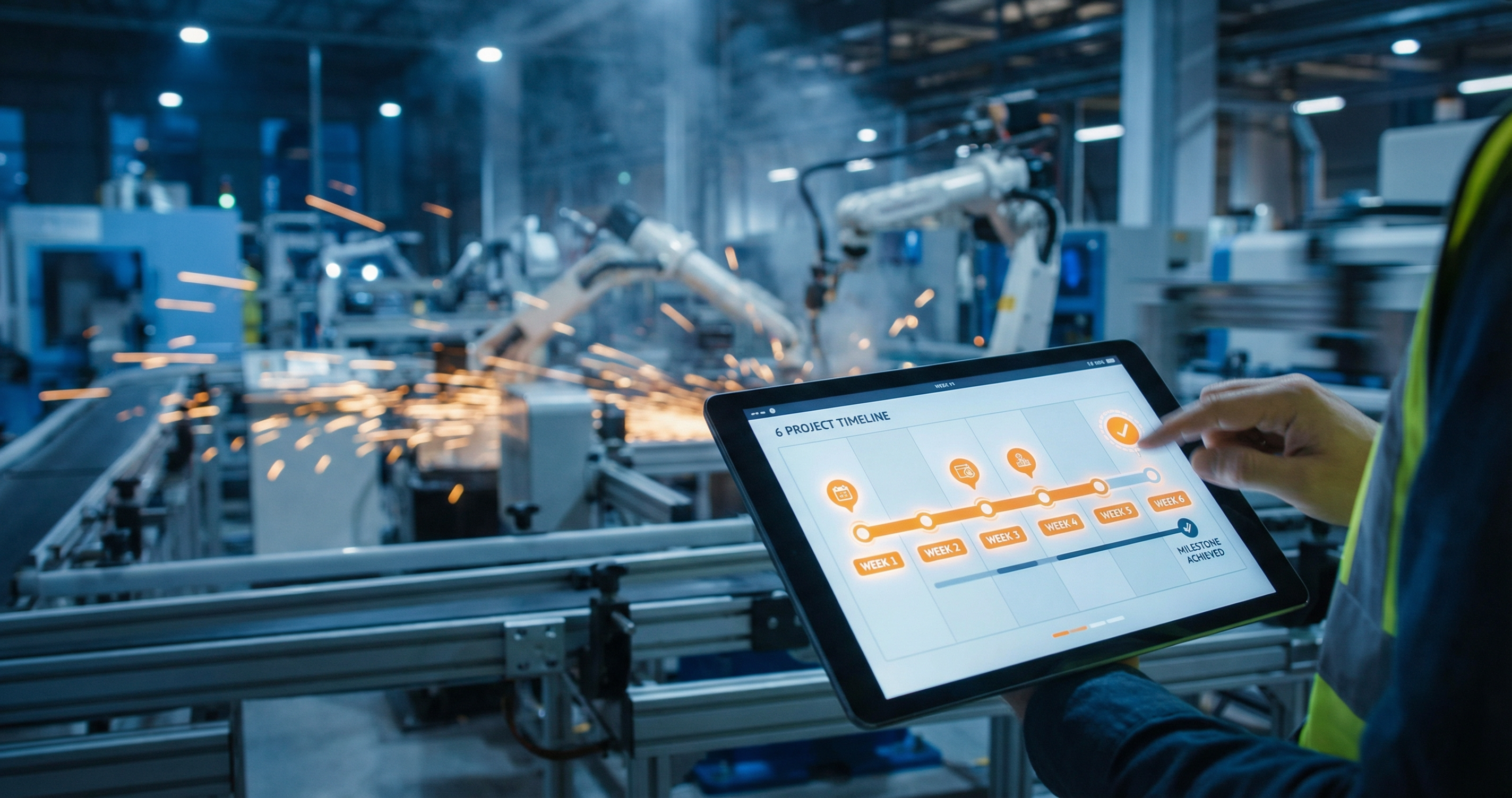
From Pilot to Production in 6 Weeks: A Realistic Manufacturing AI Timeline
Manufacturing AI projects are slowed not by modeling complexity, but by everything around the model. When infrastructure is in place, deployment happens in weeks, not quarters.
 Senad Redzic
From 40 Different Data Formats to One Unified Truth
A typical factory floor is a patchwork of systems built across decades. Every integration is custom. Without a unified data layer, AI will always remain an engineering effort, not an operational capability.
 Aiko Jansen
The Integration Tax: Why Every AI Use Case Becomes Its Own IT Project
Custom connectors rebuilt for every use case. Pipelines redesigned for similar signals. The integration tax grows with every AI project — and it's killing scalability.
Aiko Jansen
Predictive Maintenance: From "Run to Failure" to "Predict and Prevent"
Reactive maintenance is expensive. Time-based maintenance wastes resources. Predictive maintenance analyzes actual machine behavior to trigger the right action at the right time.
Senad Redzic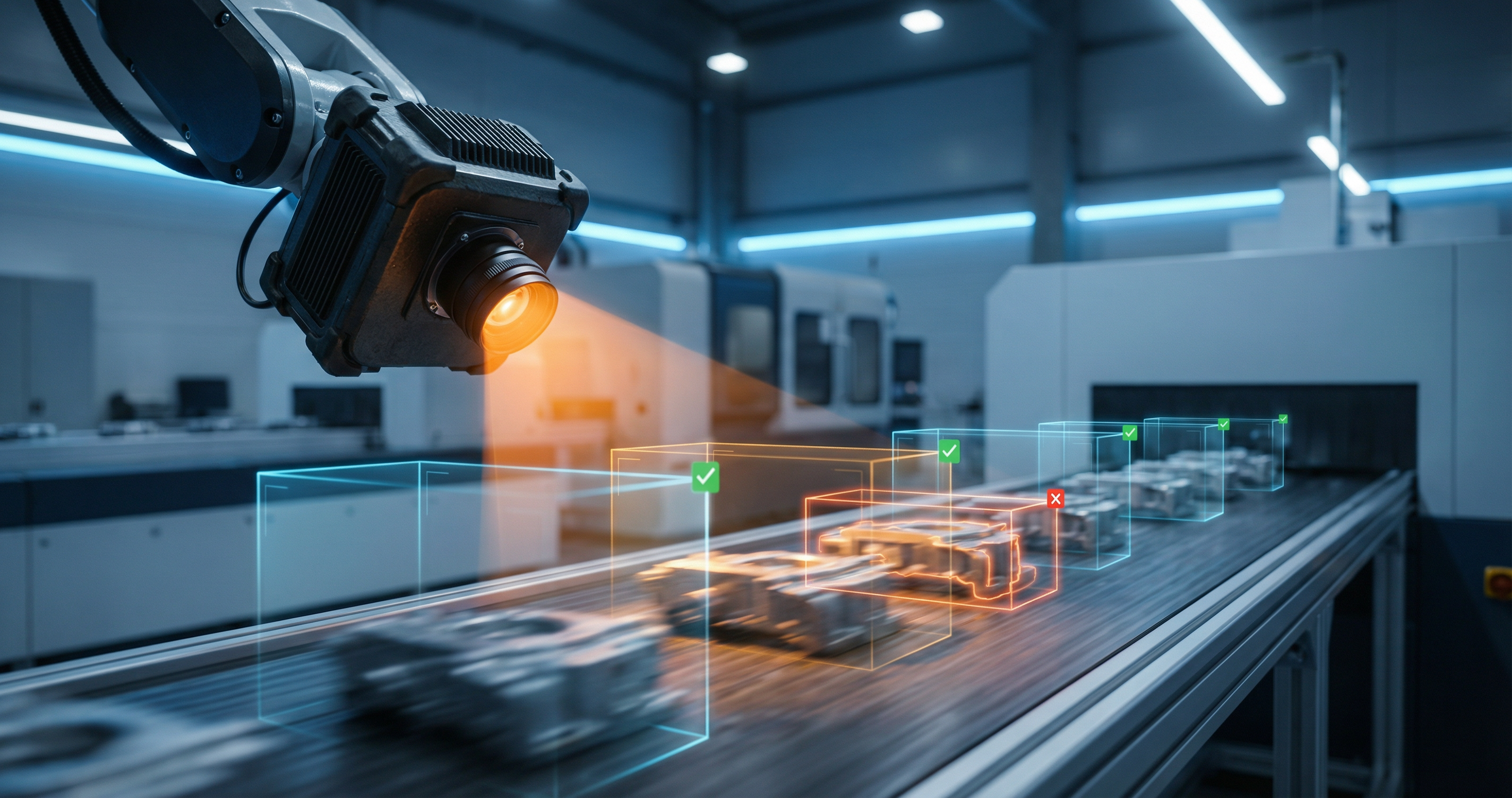
Visual Quality Inspection AI: When Humans Can't See Fast Enough
Production lines move faster than human inspection can keep up. AI-based visual inspection catches what the human eye misses — but only when deployed in a way that fits manufacturing realities.
Senad Redzic
Building the Smart Factory — One Use Case at a Time
Smart Factory initiatives fail when framed as giant transformation programs. Successful transformations start small with a high-impact use case, then scale on a shared foundation.
 Stefan Höhenberger
Vendor-Agnostic AI: Why Lock-In Is the Enemy of Innovation
Many AI platforms promise simplicity by tightly coupling everything to one ecosystem. What starts as convenience quickly becomes dependency. Manufacturing needs freedom of choice, not another lock-in.
Stefan Höhenberger
No Black Boxes: Why Manufacturing AI Must Be Explainable
In regulated manufacturing, every AI decision is part of the audit trail. A model that can't explain itself is a compliance risk. Explainability isn't optional — it's a prerequisite for trust.
Stefan Höhenberger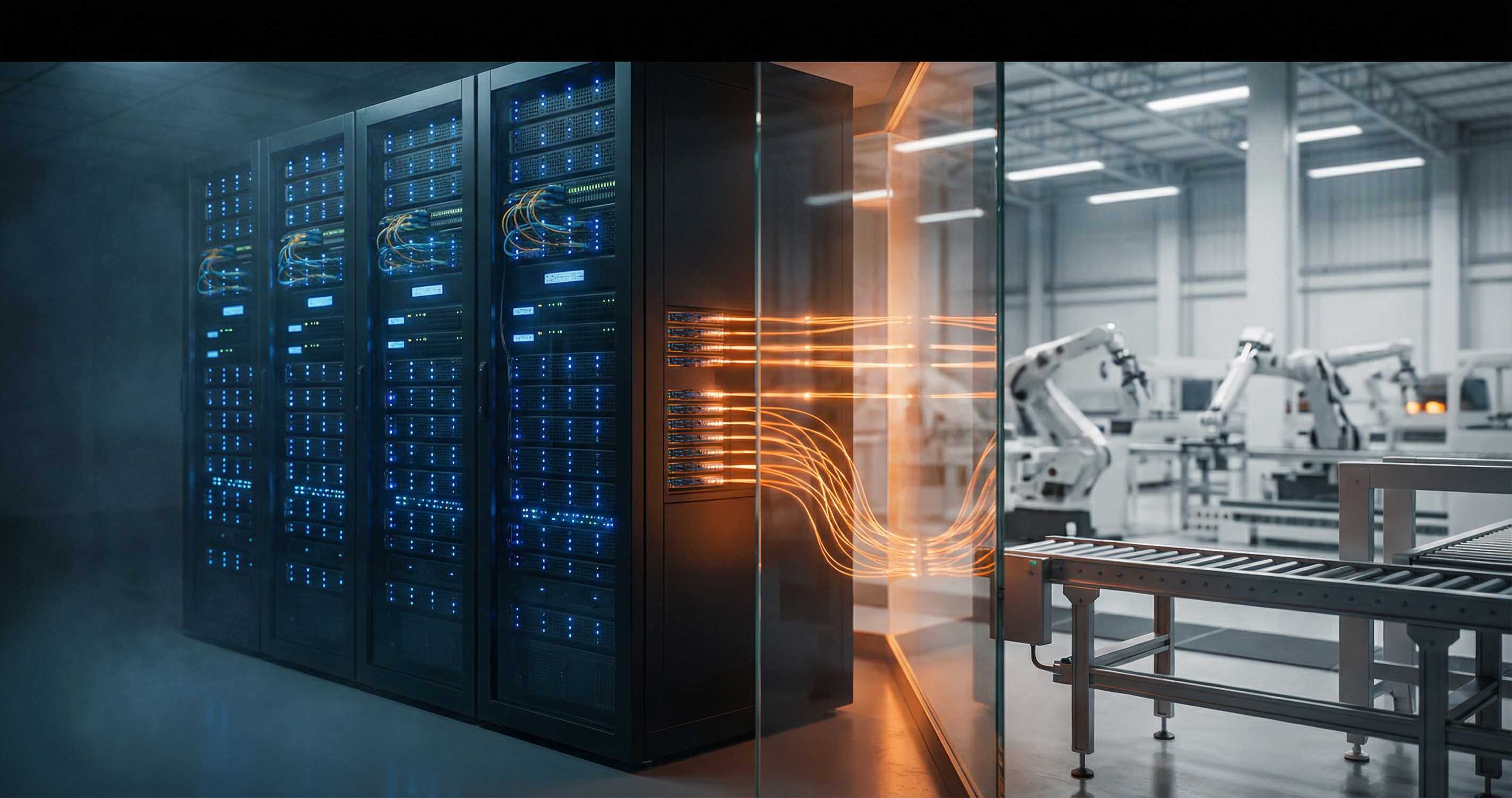
The IT-Business Bridge: How No-Code Accelerates Manufacturing AI
Manufacturing AI projects fail because of friction between IT and business teams. No-code collapses the translation layer — letting process knowledge flow directly into solutions while IT maintains governance.
Aiko Jansen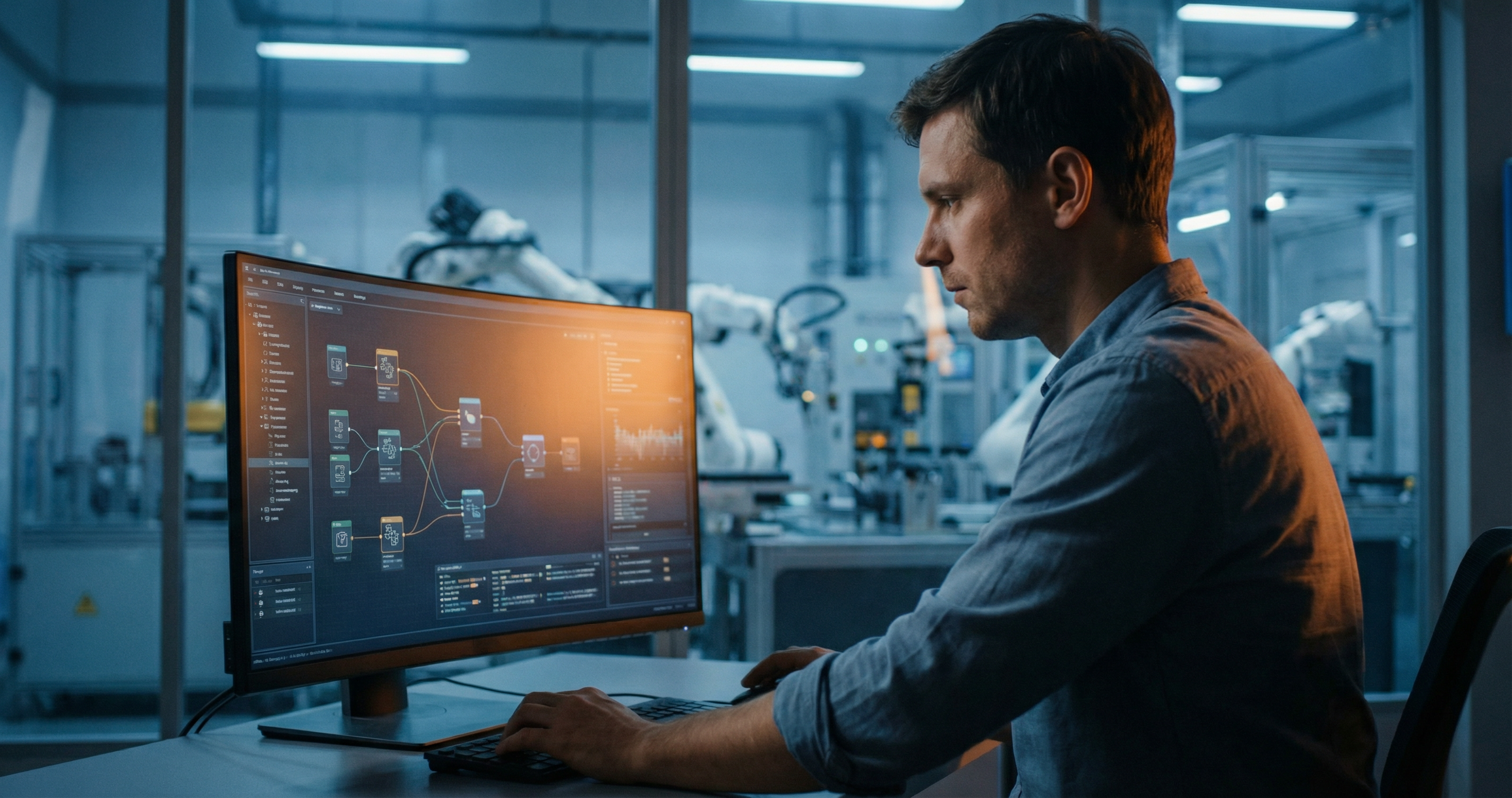
Why Process Engineers Should Train AI Models — Not Wait for Data Scientists
Data scientists understand algorithms but not why a machine drifts after a tool change. Process engineers live inside this reality. Bridging this gap is the key to manufacturing AI that actually works.
Aiko Jansen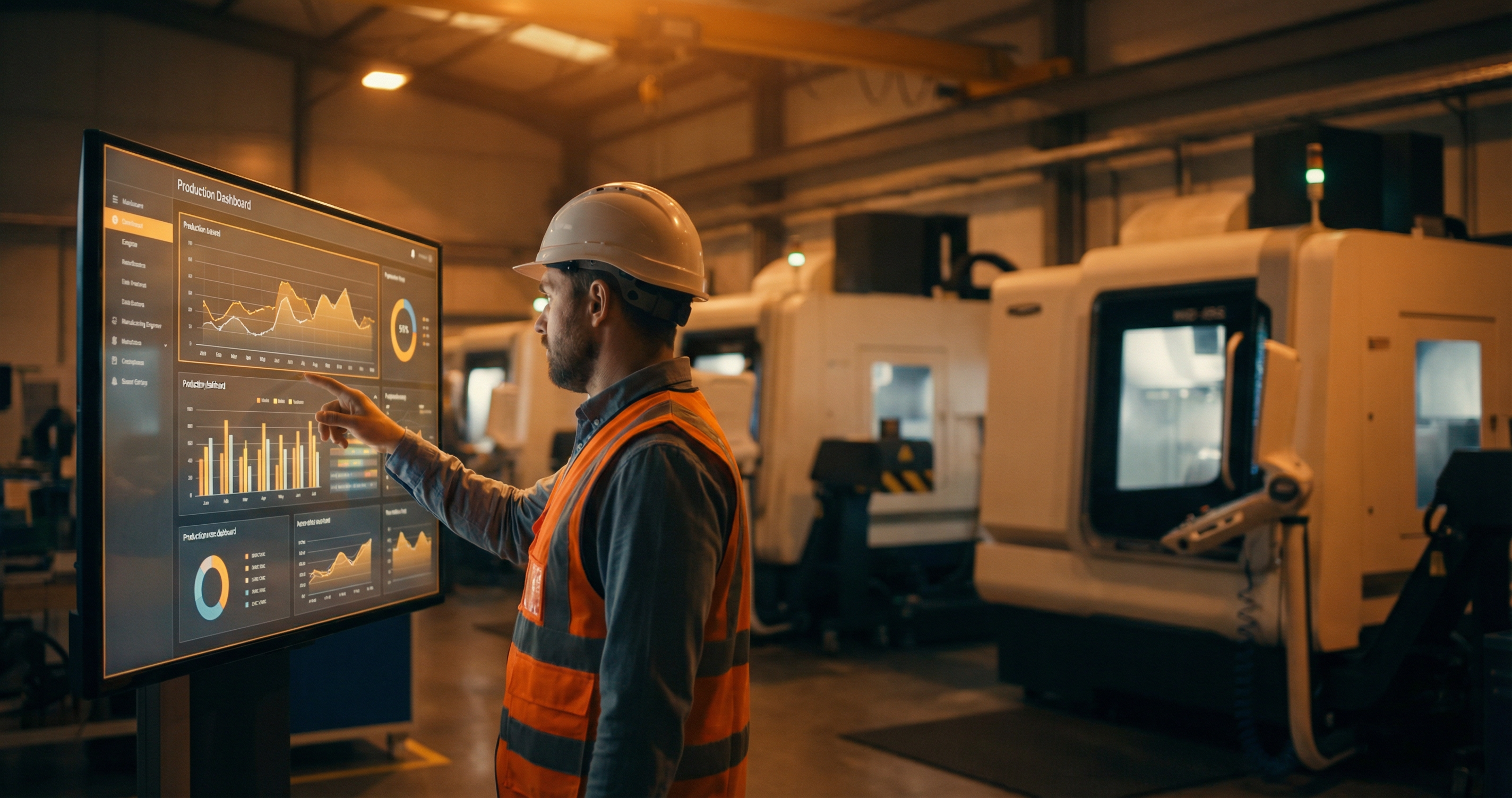
Start With Problems, Not Models: The Right Way to Implement Manufacturing AI
Many manufacturing AI initiatives begin with the wrong question. Teams debate algorithms before defining the business problem. This technology-first mindset leads to impressive demos but rarely to measurable impact.
Stefan Höhenberger
The Data Quality Crisis: Why Your Manufacturing Data Isn't Ready for AI
You can build the most sophisticated AI model available, but if it's trained on noisy sensors and misaligned timestamps, it will fail in production. Here's how to fix manufacturing data at the source.
Senad Redzic
Why AI Projects in Manufacturing Fail — Long Before a Model Is Even Trained
Most AI initiatives in manufacturing don't fail because of poor model quality. They fail because the environment is fundamentally unprepared for AI. Here's what actually goes wrong — and how to fix it.
Senad Redzic